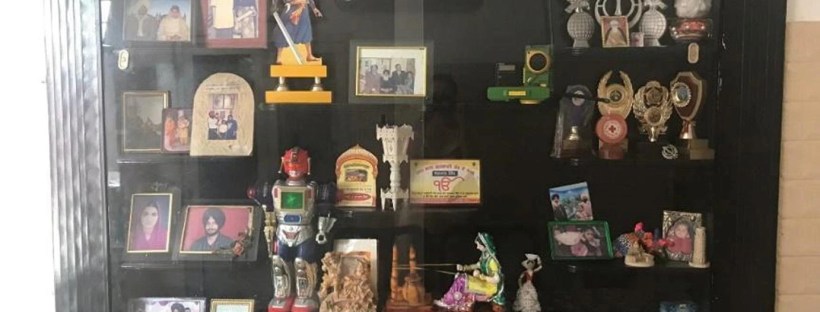
As a part of Migration and domestic space, an OA collection of “ethnographies of home in the making” among migrants and refugees edited by P. Boccagni and S. Bonfanti, Chapter 12 by Barbara Bertolani starts from the proposition that much qualitative research on international migration has interrogated the influence of a migratory background on the access to the field, the quality and type of data being collected and their analytical interpretation. What happens, instead, if a researcher is part of the research field? What are the ethical, moral and relational constraints and opportunities that this position entails in data access and interpretation? This chapter is based on a study of home and homemaking in domestic spaces connected by international migration between Indian Punjab and Italy. Bertolani critically discusses the implications of her double positioning as someone who entered the homes of her in-laws as a female white European researcher, and as the wife of a relative. This has enabled her to live up close and as a family guest the daily life and domesticity in the “distant homes” of her relatives, and has certainly influenced the type of information collected. Drawing on some specific examples, Bertolani revisits the most frequent misunderstandings but also the contingent measures adopted to negotiate their respective expectations and roles. Moreover, the chapter analyzes the constraints and opportunities that this positioning has brought to her study, eventually showing what we can understand better and otherwise about migration and homemaking by doing research in the domestic space of our research participants.
 HOMInG: THE HOME-MIGRATION NEXUS